

Tell us about your city’s needs!

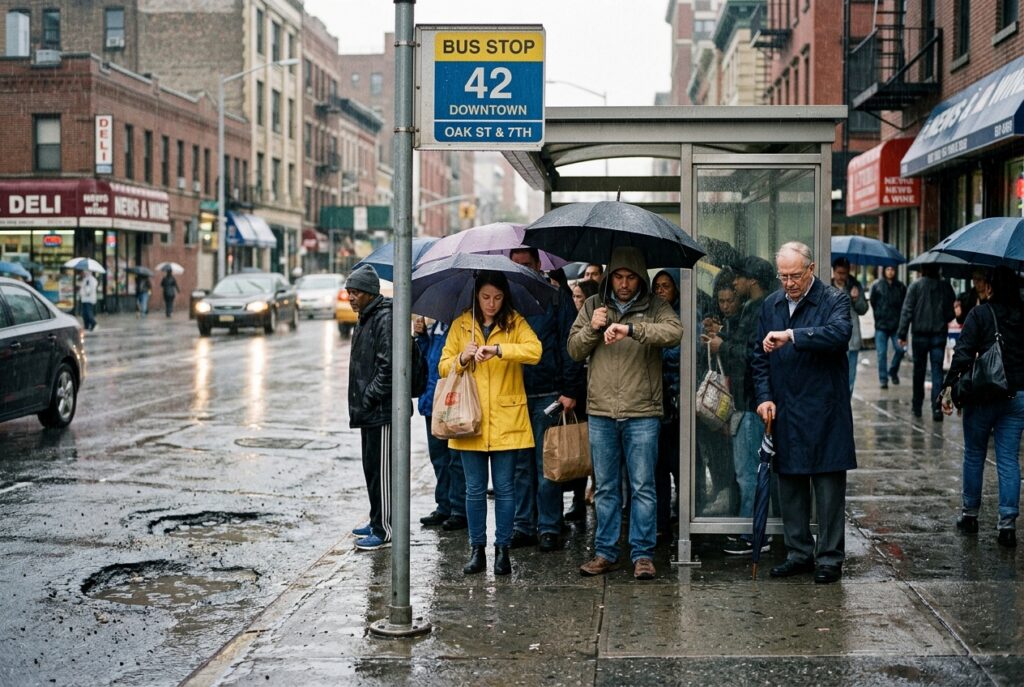
This is a breakdown of the issues urban communities most commonly flag as urgent for systemic innovation, along with cities frequently cited in connection with each.
A future post will be asking about the needs of rural communities as well.
1. Housing affordability & supply The gap between wages and housing costs, restrictive zoning, and slow permitting are pushing residents out of the cities they work in.
- San Francisco, New York City, Los Angeles, Vancouver, London, Sydney, Toronto
2. Public transit access & reliability Many cities are grappling with underfunded or aging transit systems, “transit deserts” in lower-income neighborhoods, and car-dependency that raises both costs and emissions.
- Los Angeles, Atlanta, Houston, Chicago, Nairobi, Jakarta
3. Climate resilience & extreme heat/flooding Aging infrastructure not built for today’s climate extremes — heat waves, flash floods, sea-level rise — is a growing systemic risk.
- Miami, New Orleans, Houston, Phoenix, Jakarta, Manila, Lagos
4. Water infrastructure & access Lead pipes, aging systems, and drought stress are driving calls for infrastructure overhaul.
- Flint, Jackson (Mississippi), Cape Town, Chennai, Mexico City
5. Energy grid modernization & renewable transition Grids built for a different era struggle with demand spikes, extreme weather, and the shift to renewables/EVs.
- Austin, Los Angeles, Berlin, Tokyo, Mumbai
6. Homelessness & the affordability-to-crisis pipeline Rising housing costs combined with weak social safety nets have made this one of the most visible “systemic failure” issues in many Western cities.
- San Francisco, Los Angeles, Seattle, Portland, London
7. Food deserts & food system equity Lower-income neighborhoods often lack access to affordable, healthy food, prompting calls for policy and infrastructure fixes (urban agriculture, distribution reform).
- Detroit, Chicago, Baltimore, Philadelphia
8. Waste management & circular economy gaps Overflowing landfills and limited recycling infrastructure are pushing cities toward “zero waste” or circular economy models.
- Mumbai, Manila, San Francisco, Amsterdam, Seoul
9. Digital and broadband inequity The “digital divide” is increasingly treated as a core affordability/access issue tied to jobs, education, and city services.
- Detroit, Baltimore, rural-adjacent U.S. metro areas generally, parts of the UK (“not-spots”)
10. Childcare and care infrastructure Often overlooked but increasingly framed as core urban infrastructure — cost of childcare affects housing and labor decisions.
- New York City, Washington D.C., London, Toronto
A note on method: this list reflects patterns commonly discussed in urban planning literature, city policy reports, and think-tank analyses (e.g., Brookings, McKinsey Global Institute, C40 Cities) rather than a single ranked survey.
Rank Order Your City’s Needs!
Use QR code to have someone else take the survey.






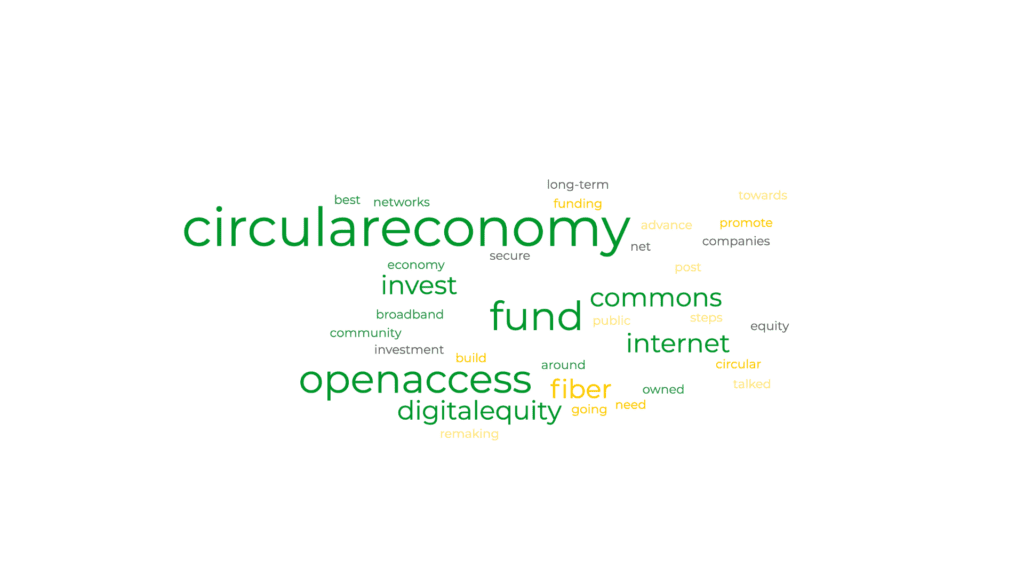
Responses